.png&w=128&q=75&dpl=dpl_12X9cG54eNekNi8yXYm18QXjESww)
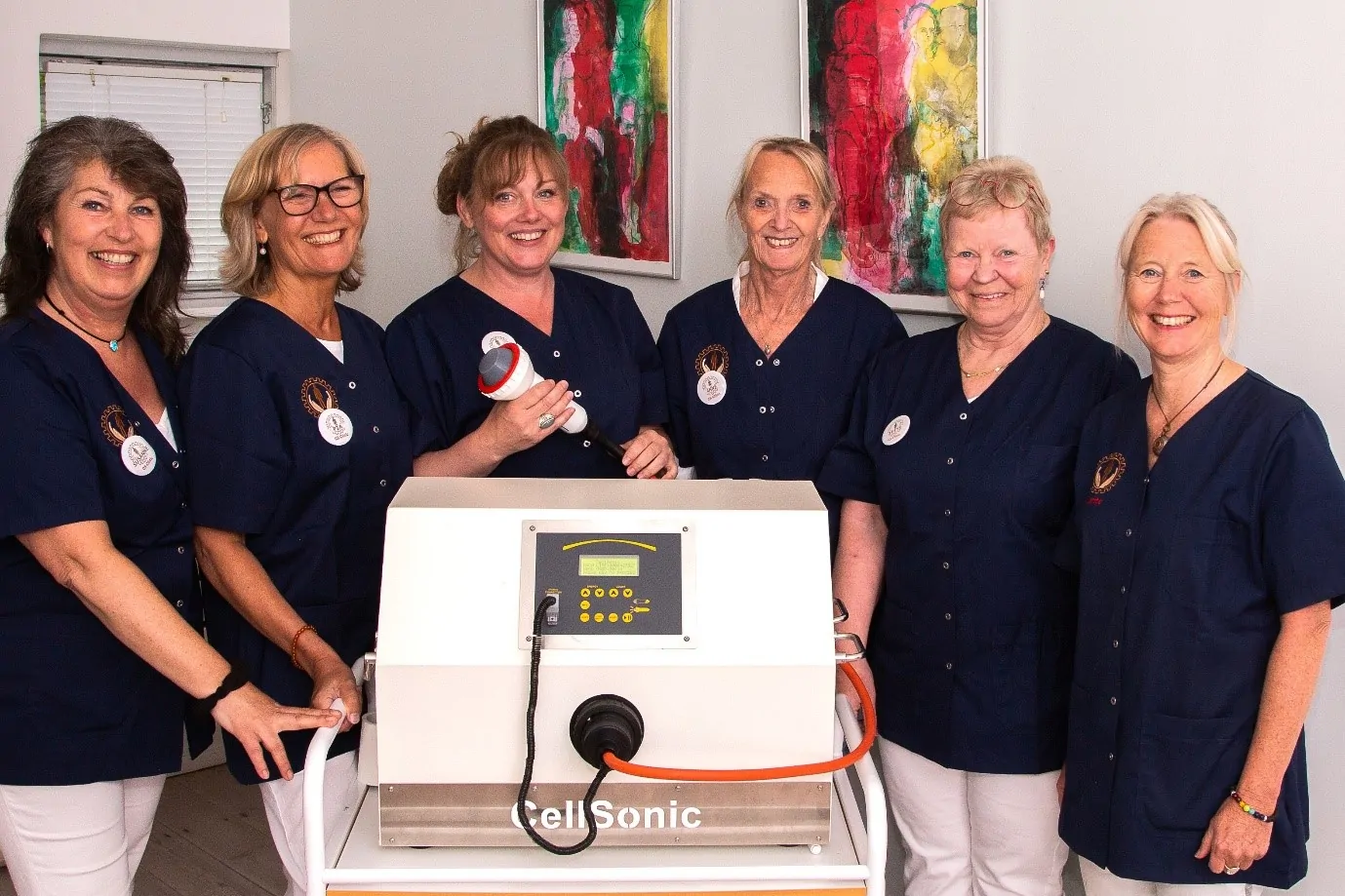
The Evolution of Pressure Pulse Technology
For over four decades, pressure pulse technology has been a cornerstone of modern medicine. What began in the 1980s as a revolutionary method for fragmenting kidney stones — extracorporeal shockwave lithotripsy (ESWL) — has evolved into something far more remarkable. Today, CellSonic's Very Intense Pressure Pulse (VIPP) technology represents the cutting edge of this evolution, offering non-invasive treatment possibilities that were unimaginable just a few years ago.
The journey from kidney stone fragmentation to regenerative medicine is a story of continuous innovation. CellSonic recognised early on that the biological effects of pressure pulses extended far beyond simply breaking apart calcified deposits. The company's engineers and medical advisors observed that cells responded to pressure pulses in profound ways — stimulating healing, promoting blood vessel formation, and even influencing cellular membrane potential.
What Makes VIPP Different?
Traditional shockwave devices generate relatively slow, high-energy pulses designed primarily for tissue disruption. CellSonic's VIPP technology takes a fundamentally different approach. The key innovation lies in the speed of the electrical switching that generates each pressure pulse.
By using advanced high-voltage switching technology, CellSonic machines produce pulses that are:
- Faster: The rapid rise time creates a uniquely shaped pressure wave
- More precise: Energy is delivered more efficiently to the target tissue
- Safer: Lower total energy with higher biological effectiveness
- More versatile: Applicable across a wider range of medical conditions
The Science of Cellular Response
When a VIPP pulse encounters biological tissue, several mechanisms are activated simultaneously:
1. Mechanotransduction
Cells possess mechanosensitive ion channels that respond to pressure changes. VIPP pulses activate these channels, triggering intracellular signalling cascades that promote cell survival, proliferation, and differentiation. This process — mechanotransduction — is fundamental to how our bodies naturally repair damage.
2. Increased Vascularisation
One of the most consistently observed effects of pressure pulse therapy is angiogenesis — the formation of new blood vessels. VIPP pulses stimulate the release of vascular endothelial growth factor (VEGF) and other pro-angiogenic cytokines, enhancing blood supply to treated areas.
This increased vascularisation is critical for healing. Chronic wounds, non-union fractures, and damaged tissue often suffer from inadequate blood supply. By promoting new vessel formation, VIPP therapy addresses one of the root causes of failed healing.
3. Anti-Infection Properties
Perhaps one of the most remarkable properties of CellSonic VIPP technology is its ability to eliminate infection. The intense pressure pulses create conditions that are lethal to pathogens while leaving human cells unharmed. This selective destruction is due to the different physical properties of bacterial cells compared to human tissue cells.
4. Nerve Stimulation and Repair
VIPP pulses stimulate nerve function and promote nerve regeneration. The pressure waves activate Schwann cells, the support cells that maintain nerve fibre health, and drive axonal growth.
Clinical Applications: Where VIPP Excels
Musculoskeletal Conditions
The musculoskeletal applications of pressure pulse therapy are the most established. Conditions such as plantar fasciitis, tennis elbow, calcific shoulder tendinopathy, and non-union bone fractures have all been successfully treated with VIPP technology.
Wound Healing
Chronic wounds represent a massive healthcare burden worldwide. Diabetic foot ulcers alone affect millions of patients, with healing rates often below 50% using conventional treatments.
The Cell Voltage Connection
One of the most innovative aspects of CellSonic's approach is the understanding of cell voltage in health and disease. Healthy cells maintain a membrane potential of approximately -70 to -90 millivolts. In diseased states — including cancer — this voltage drops significantly.
Conclusion
CellSonic VIPP technology represents more than an incremental improvement in shockwave therapy. It is a fundamentally different approach to healing — one that respects the body's innate capacity for repair while providing the precise stimulus needed to activate that capacity.
To learn more about how CellSonic VIPP technology could benefit your practice or condition, contact our team or download our clinical evidence.
.png&w=256&q=75&dpl=dpl_12X9cG54eNekNi8yXYm18QXjESww)